
“Much of human history has consisted of unequal conflicts between the haves and the have-nots.”
Jared Diamond книга Guns, Germs, and Steel
Источник: Guns, Germs, and Steel: The Fates of Human Societies
Джа́ред Ме́йсон Да́ймонд — американский эволюционный биолог, физиолог, биогеограф, автор научно-популярных работ, тематика которых объединяет антропологию, биологию, лингвистику, генетику и историю. Член Национальной АН США и Американского философского общества . Удостоен Национальной научной медали США и других высокопрестижнейших отличий.
В 1998 году получил Пулитцеровскую премию за книгу «Ружья, микробы и сталь», в которой комплексно исследовал географические, культурные, экологические и технологические факторы, приведшие к доминированию евразийских цивилизаций во всём мире. Отстаивая географический детерминизм в объяснении успеха Европы, Даймонд опровергает расистские стереотипы об обществах, подобных народам Папуа — Новой Гвинеи. По мотивам книги в 2005 году был снят документальный фильм производства National Geographic. Основные идеи автора, изложенные в «Ружьях, микробах и стали», получили развитие в книге «Коллапс. Почему одни общества выживают, а другие умирают». В ней он рассматривает факторы, стоящие за упадком древних культур. В качестве примеров использованы сообщества гренландских эскимосов и норманнов, полинезийцев острова Пасхи и островов Питкэрн, народа анасази; поднимаются и проблемы современных народов — рассмотрены геноцид в Руанде, отставание Гаити от более успешных соседей и т. д. Также является автором книг «Почему нам так нравится секс? Эволюция сексуальности человека», «Третий шимпанзе: Эволюция и перспективы человеческого животного» и «Мир позавчера: Чему нас могут научить люди, до сих пор живущие в каменном веке» Wikipedia
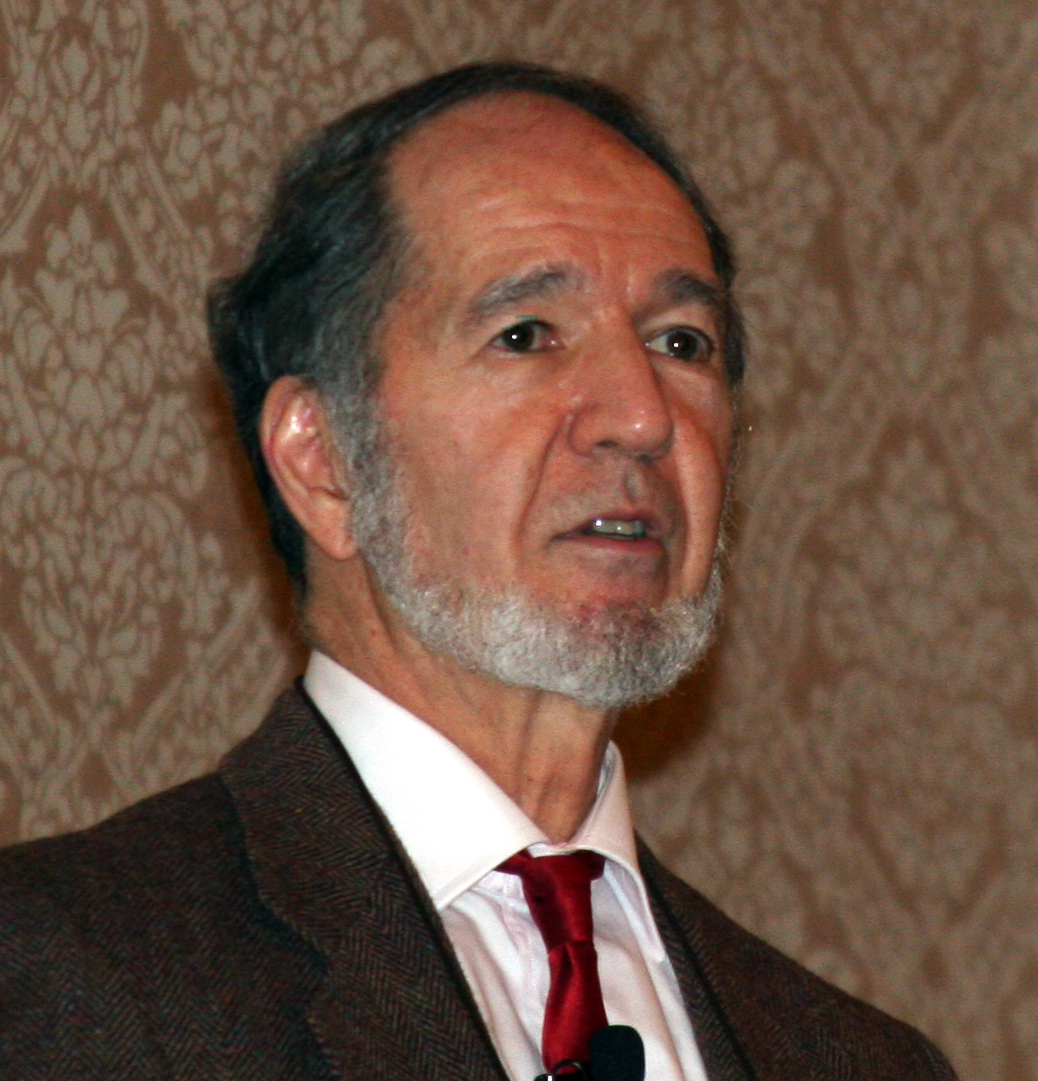
“Much of human history has consisted of unequal conflicts between the haves and the have-nots.”
Jared Diamond книга Guns, Germs, and Steel
Источник: Guns, Germs, and Steel: The Fates of Human Societies
Jared Diamond книга Guns, Germs, and Steel
Источник: Guns, Germs, and Steel: The Fates of Human Societies
Источник: Why Is Sex Fun? The Evolution of Human Sexuality
Источник: Guns, Germs and Steel: The Fates of Human Societies
Jared Diamond книга Collapse: How Societies Choose to Fail or Succeed
Cited by Tim Flannery, "Learning from the past to change our future" http://science.sciencemag.org/content/307/5706/45.full, Science, volume 307, 7 January 2005, page 45. <br class="br">Источник: Collapse: How Societies Choose to Fail or Succeed (2005)
Jared Diamond книга Guns, Germs, and Steel
Источник: Guns, Germs, and Steel: The Fates of Human Societies
Jared Diamond книга Collapse: How Societies Choose to Fail or Succeed
Источник: Collapse: How Societies Choose to Fail or Succeed (2005), Chapter "Why do some societies make disastrous decisions", section "Disastrous values" (Penguin Books, 2011, pages 432-433, ISBN 978-0-241-95868-1.
Jared Diamond книга Collapse: How Societies Choose to Fail or Succeed
Источник: Collapse: How Societies Choose to Fail or Succeed (2005), Chapter "The world as a polder: what does it all mean to us today?", section "Reasons for hope" (Penguin Books, 2011, page 525, ISBN 978-0-241-95868-1.
Jared Diamond книга Collapse: How Societies Choose to Fail or Succeed
Источник: Collapse: How Societies Choose to Fail or Succeed (2005), Chapter "The world as a polder: what does it all mean to us today?", section "Reasons for hope" (Penguin Books, 2011, page 521, .
Jared Diamond книга Collapse: How Societies Choose to Fail or Succeed
Источник: Collapse: How Societies Choose to Fail or Succeed (2005), Chapter "The world as a polder: what does it all mean to us today?", section "Reasons for hope" (Penguin Books, 2011, pages 521-522, ISBN 978-0-241-95868-1.
Jared Diamond книга Collapse: How Societies Choose to Fail or Succeed
Источник: Collapse: How Societies Choose to Fail or Succeed (2005), Chapter "The world as a polder: what does it all mean to us today?", section "One-liner objections" (Penguin Books, 2011, page 509, ISBN 978-0-241-95868-1.
Jared Diamond книга Collapse: How Societies Choose to Fail or Succeed
About global warming. Chapter "The world as a polder: what does it all mean to us today?", section "The most serious problems" (Penguin Books, 2011, page 493, ISBN 978-0-241-95868-1.
Collapse: How Societies Choose to Fail or Succeed (2005)
Jared Diamond книга Guns, Germs, and Steel
Источник: Guns, Germs, and Steel: The Fates of Human Societies (1997), p. 200
“Remember that impact is the product of two factors: population multiplied times impact per person.”
Jared Diamond книга Collapse: How Societies Choose to Fail or Succeed
Источник: Collapse: How Societies Choose to Fail or Succeed (2005), Chapter "The world as a polder: what does it all mean to us today?", section "Reasons for hope" (Penguin Books, 2011, page 524, ISBN 978-0-241-95868-1.
Jared Diamond книга Collapse: How Societies Choose to Fail or Succeed
Page 498
Collapse: How Societies Choose to Fail or Succeed (2005)
Jared Diamond книга Collapse: How Societies Choose to Fail or Succeed
Источник: Collapse: How Societies Choose to Fail or Succeed (2005), Chapter "The world as a polder: what does it all mean to us today?", section "If we don't solve them..." (Penguin Books, 2011, page 498, ISBN 978-0-241-95868-1.
Jared Diamond книга Collapse: How Societies Choose to Fail or Succeed
Источник: Collapse: How Societies Choose to Fail or Succeed (2005), Chapter "Big businesses and the environment: different conditions, different outcomes", section "Businesses and the public" (Penguin Books, 2011, page 485, ISBN 978-0-241-95868-1.
Jared Diamond книга Collapse: How Societies Choose to Fail or Succeed
Page 349
Collapse: How Societies Choose to Fail or Succeed (2005)
“Put another way, the chimpanzees' closest relative is not the gorilla but humans.”
Jared Diamond книга The Third Chimpanzee
The Third Chimpanzee (1991)
The Third Chimpanzee: The Evolution and Future of the Human Animal (1991)
Jared Diamond книга Collapse: How Societies Choose to Fail or Succeed
Источник: Collapse: How Societies Choose to Fail or Succeed (2005), Chapter "Big businesses and the environment: different conditions, different outcomes", section "Businesses and the public" (Penguin Books, 2011, pages 484-485, ISBN 978-0-241-95868-1.
Jared Diamond книга The World Until Yesterday
Prologue, section "Why study traditional societies?"
The World Until Yesterday: What Can We Learn from Traditional Societies? (2012)
Jared Diamond книга Guns, Germs, and Steel
Источник: Guns, Germs, and Steel: The Fates of Human Societies (1997), p. 241
Jared Diamond книга Collapse: How Societies Choose to Fail or Succeed
On the fates of past societies facing problems of sustainability, page 522
Collapse: How Societies Choose to Fail or Succeed (2005)
Jared Diamond книга The World Until Yesterday
Epilogue
The World Until Yesterday: What Can We Learn from Traditional Societies? (2012)
Jared Diamond книга Guns, Germs, and Steel
Источник: Guns, Germs, and Steel: The Fates of Human Societies (1997), p. 357
Jared Diamond книга The World Until Yesterday
Prologue, section "Why study traditional societies?"
The World Until Yesterday: What Can We Learn from Traditional Societies? (2012)
Jared Diamond книга Collapse: How Societies Choose to Fail or Succeed
Источник: Collapse: How Societies Choose to Fail or Succeed (2005), Chapter "The world as a polder: what does it all mean to us today?", section "One-liner objections" (Penguin Books, 2011, page 503, .
Jared Diamond книга The Third Chimpanzee
The Third Chimpanzee (1991)
The Third Chimpanzee: The Evolution and Future of the Human Animal (1991)
Jared Diamond книга Collapse: How Societies Choose to Fail or Succeed
Источник: Collapse: How Societies Choose to Fail or Succeed (2005), Chapter "The world as a polder: what does it all mean to us today?", section "Reasons for hope" (Penguin Books, 2011, pages 522-523, ISBN 978-0-241-95868-1.