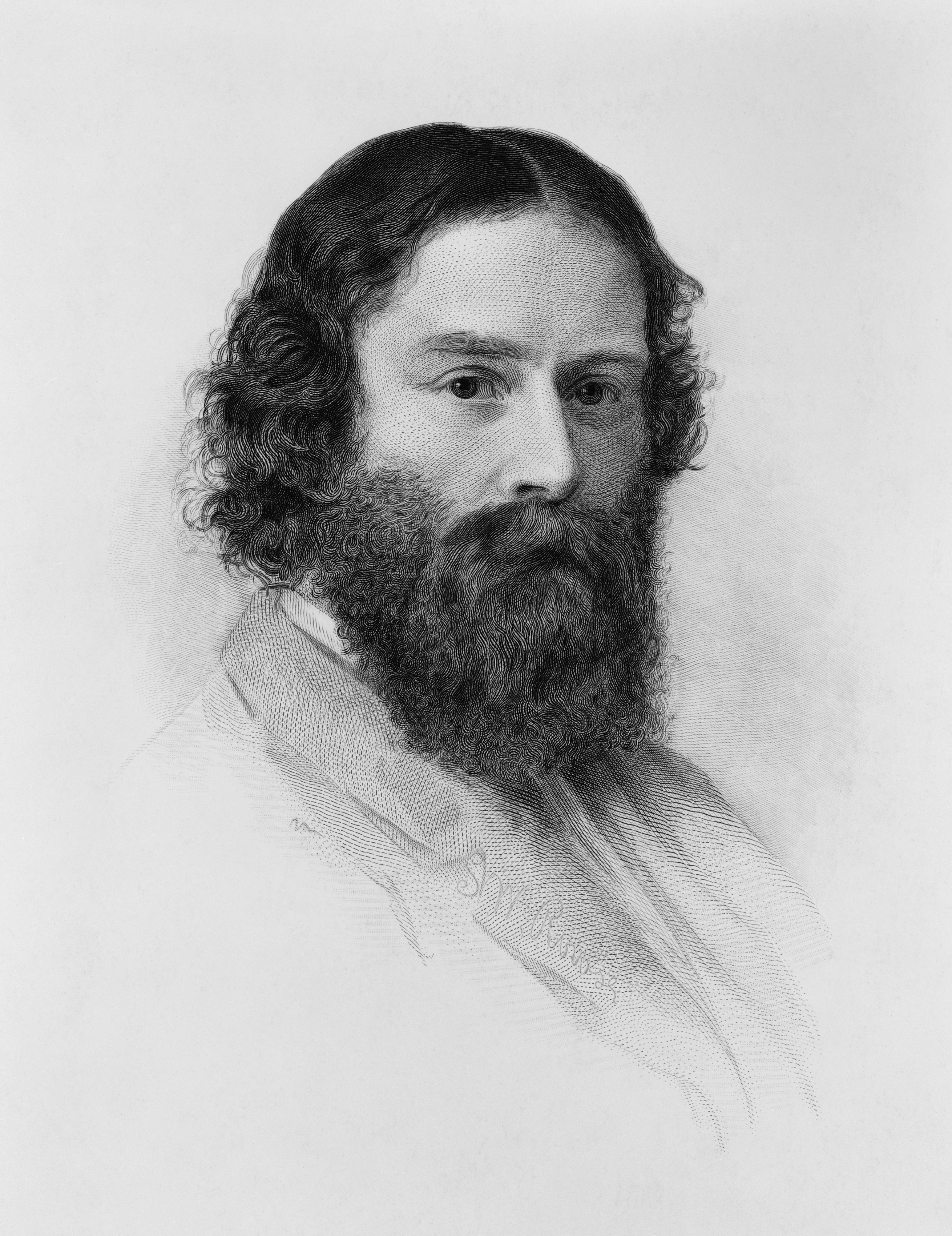
Джеймс Расселл Лоуэлл знаменитые цитаты

Джеймс Расселл Лоуэлл: Цитаты на английском языке
No. 10.
The Biglow Papers (1848–1866), Series II (1866)
“We kind o' thought Christ went agin war an' pillage.”
No. 3
The Biglow Papers (1848–1866), Series I (1848)
No. 6, st. 10
The Biglow Papers (1848–1866), Series I (1848)
Witchcraft
Literary Essays, vol. II (1870–1890)
On Democracy (6 October 1884)
“The very room, coz she was in,
Seemed warm from floor to ceilin”
The Courtin' .
The Biglow Papers (1848–1866), Series II (1866)
No. 1, st. 6
The Biglow Papers (1848–1866), Series I (1848)
No. 3.
The Biglow Papers (1848–1866), Series II (1866)
"On the Capture of Certain Fugitive Slaves Near Washington" (1845)
Witchcraft
Literary Essays, vol. II (1870–1890)
On Democracy (6 October 1884)
St. 3. <br class="br"> Ode Recited at the Harvard Commemoration http://www.readbookonline.net/readOnLine/1169/ (July 21, 1865)
No. 10.
The Biglow Papers (1848–1866), Series II (1866)
“The surest plan to make a Man
Is, think him so.”
No. 2.
The Biglow Papers (1848–1866), Series II (1866)
Sonnet, The Maple http://www.theatlantic.com/ideastour/archive/lowell.mhtml (1875)
“Here was a type of the true elder race,
And one of Plutarch's men talked with us face to face.”
St. 5. <br class="br"> Ode Recited at the Harvard Commemoration http://www.readbookonline.net/readOnLine/1169/ (July 21, 1865)
Literary Essays, vol. II (1870–1890), New England Two Centuries Ago
Literary Essays, vol. II (1870–1890), New England Two Centuries Ago
“Solitude is as needful to the imagination as society is wholesome for the character.”
Dryden
Literary Essays, vol. III (1870-1890)
No. 1, st. 5
The Biglow Papers (1848–1866), Series I (1848)
“Talent is that which is in a man's power; genius is that in whose power a man is.”
Literary Essays, vol. II (1870–1890), Rousseau and the Sentimentalists
The Cathedral, st. 9
Referring to John C. Breckenridge and Stephen A. Douglas (Abraham Lincoln's opponents)
The Election in November 1860 (1860)
The Courtin' .
The Biglow Papers (1848–1866), Series II (1866)
No. 1, st. 2
The Biglow Papers (1848–1866), Series I (1848)