John Wilmot, 2nd Earl of Rochester
Written on the Bedchamber Door of Charles II, as quoted in The Book of Days : A Miscellany of Popular Antiquities (1832) by Robert Chambers, Viol. II, July 26, p. 126.
Джон Уилмот, 2-й граф Рочестер — один из наиболее значительных английских поэтов эпохи Реставрации. Известен главным образом как оригинальный и сильный сатирик и автор прекрасных лирических стихотворений. Его поэма «Сатира против Разума и Человечества» предвосхищает Джонатана Свифта едким обличением рационализма и оптимизма, противопоставлением инстинктивной мудрости животного мира вероломству и глупости человека.
Покровительствовал таким драматургам, как Томас Отуэй, Джон Драйден, Чарльз Сидлей и первой женщине-драматургу Афре Бен. Вошёл в историю как один из представителей либертинизма, прославился своими кутежами, весёлыми проделками, множеством любовных историй, а также как автор едких сатир, любовной лирики и стихов непристойного содержания. Wikipedia
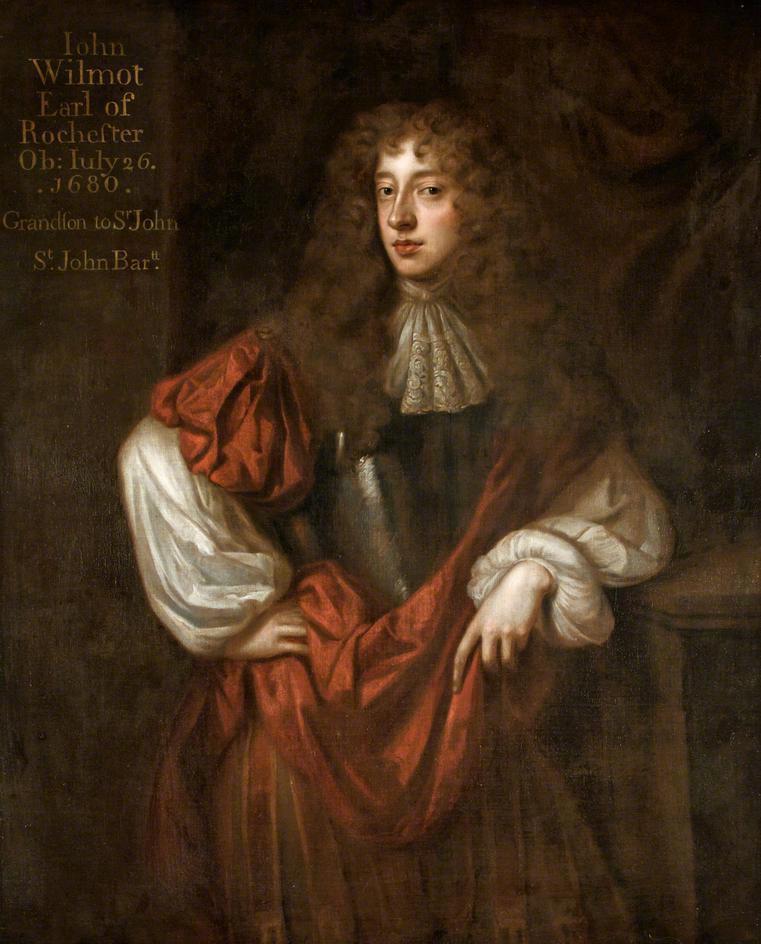
John Wilmot, 2nd Earl of Rochester
Written on the Bedchamber Door of Charles II, as quoted in The Book of Days : A Miscellany of Popular Antiquities (1832) by Robert Chambers, Viol. II, July 26, p. 126.
John Wilmot, 2nd Earl of Rochester
ll. 1-7.
A Satire Against Mankind (1679)
John Wilmot, 2nd Earl of Rochester
As quoted in The New Speaker's Treasury of Wit and Wisdom (1958) by Herbert Victor Prochnow
John Wilmot, 2nd Earl of Rochester
Upon Nothing, ll. 28–33.
Other
John Wilmot, 2nd Earl of Rochester
Letter to the diplomat Henry Savile (1673-1674).
Other
John Wilmot, 2nd Earl of Rochester
About King Charles II of England, as quoted in Blackwood's Edinburgh Magazine Vol. XLIV (January - June 1857) p. 592; It is said to that this was written on the door of Charles II’s bedchamber, and that on seeing it, the king replied, “This is very true: for my words are my own, and my actions are my ministers’....”
Other
John Wilmot, 2nd Earl of Rochester
The Maim'd Debauchee, ll. 13–20.
Other
“Reason, an Ignis fatuus of the Mind,
Which leaves the light of Nature, Sense, behind.”
John Wilmot, 2nd Earl of Rochester
ll. 12-13.
A Satire Against Mankind (1679)
“For pointed satire I would Buckhurst choose,
The best good man with the worst-natured muse.”
John Wilmot, 2nd Earl of Rochester
An allusion to Horace, Satire x. Book i. Compare: "Thou best-humour'd man with the worst-humour'd muse!", Oliver Goldsmith, Retaliation, Postscript.
Other
John Wilmot, 2nd Earl of Rochester
Absent from thee, I languish still, ll. 13-16.
Other
John Wilmot, 2nd Earl of Rochester
ll. 212-221
A Satire Against Mankind (1679)
John Wilmot, 2nd Earl of Rochester
A Song of a Young Lady to Her Ancient Lover, ll. 7-14.
Other
“Love, the most generous passion of the mind
The softest refuge innocence can find”
John Wilmot, 2nd Earl of Rochester
A Letter from Artemisia in Town to Chloe in the Country (1679)
John Wilmot, 2nd Earl of Rochester
ll. 16–21.
A Satire Against Mankind (1679)
John Wilmot, 2nd Earl of Rochester
A Letter from Artemisia in Town to Chloe in the Country (1679)
John Wilmot, 2nd Earl of Rochester
The Imperfect Enjoyment (published 1680).
Other
“For all Men would be Cowards if they durst:
And Honesty’s against all common Sense.”
John Wilmot, 2nd Earl of Rochester
ll. 158-159.
A Satire Against Mankind (1679)