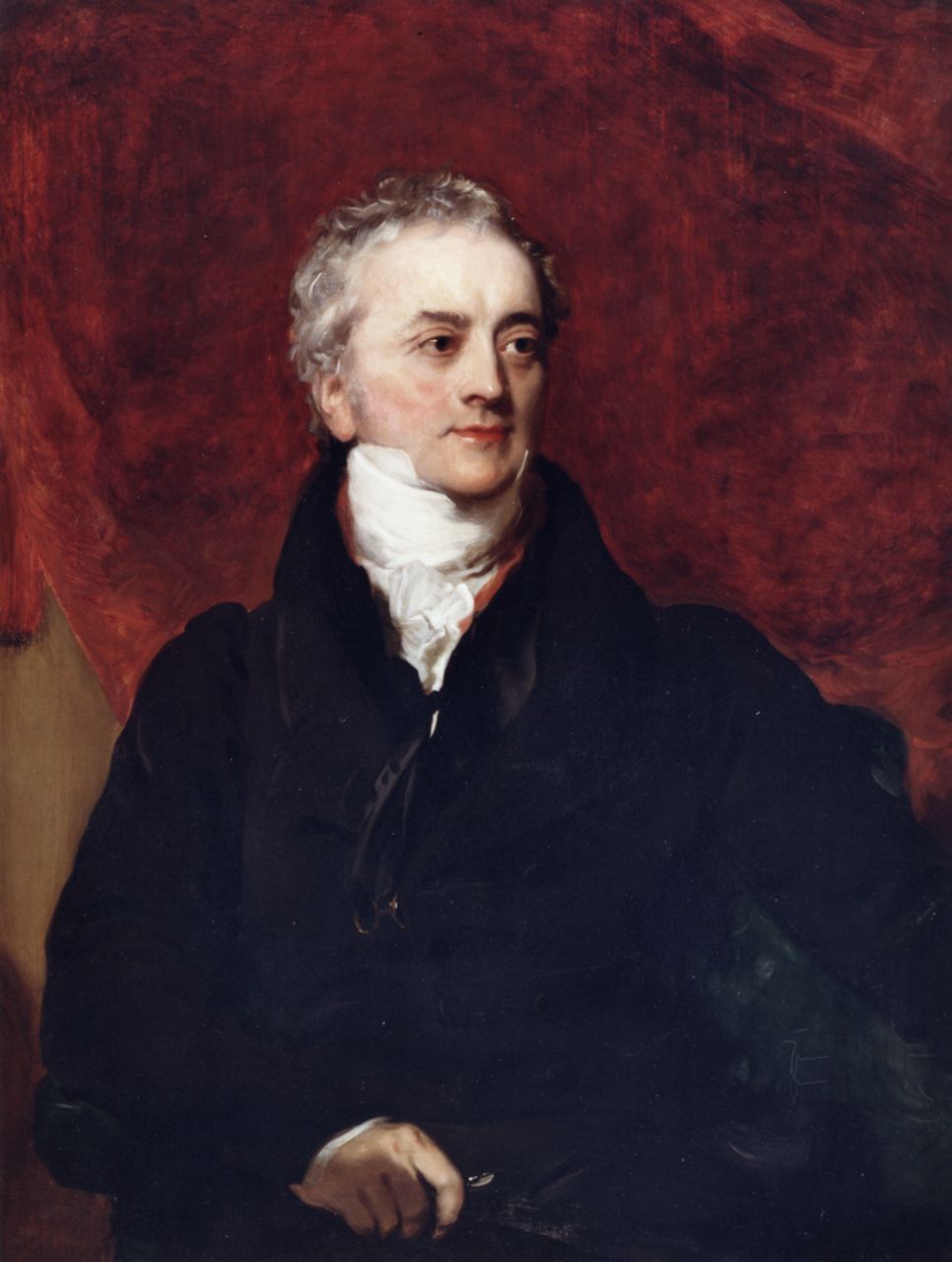
Томас Юнг цитаты
Томас Юнг: Цитаты на английском языке
Preface
A Course of Lectures on Natural Philosophy and the Mechanical Arts (1807)
Letter X: Reply to the Edinburgh Reviewers, Miscellaneous works of the late Thomas Young https://archive.org/details/miscellaneouswo01youngoog (1855), p. 215
Preface (March 30, 1807)
A Course of Lectures on Natural Philosophy and the Mechanical Arts (1807)
Preface
A Course of Lectures on Natural Philosophy and the Mechanical Arts (1807)
"Outlines of Experiments and Inquiries Respecting Sound and Light" (1800)
Preface
A Course of Lectures on Natural Philosophy and the Mechanical Arts (1807)
"Outlines of Experiments and Inquiries Respecting Sound and Light" (1800)
Preface (March 30, 1807)
A Course of Lectures on Natural Philosophy and the Mechanical Arts (1807)
Источник: An Introduction to Medical Literature, Including a System of Practical Nosology (1823), p. 2
Preface
A Course of Lectures on Natural Philosophy and the Mechanical Arts (1807)
Preface, pp. ix-x
A Course of Lectures on Natural Philosophy and the Mechanical Arts (1807)
“When I was a boy, I thought myself a man. Now that I am a man, I find myself a boy.”
as quoted by Horatio B. Williams, Thomas Young, The Man and Physician, J. Opt. Soc. Am. 20, 35-49 (1930).
Miscellaneous Works: Scientific Memoirs (1855) Vol. 1 https://books.google.com/books?id=-XAXAQAAMAAJ, ed. George Peacock & John Leitch, p. 249
"Outlines of Experiments and Inquiries Respecting Sound and Light" (1800)
Источник: An Introduction to Medical Literature, Including a System of Practical Nosology (1823), p. 5
(1807) Nat. Phil. Vol. i, p. 14. as quoted by Robert Henry Thurston, Materials of Engineering (1884) Part III https://books.google.com/books?id=0p1BAAAAIAAJ p. 548.
Preface
A Course of Lectures on Natural Philosophy and the Mechanical Arts (1807)
Preface
A Course of Lectures on Natural Philosophy and the Mechanical Arts (1807)
Preface
A Course of Lectures on Natural Philosophy and the Mechanical Arts (1807)
Preface
A Course of Lectures on Natural Philosophy and the Mechanical Arts (1807)
Preface
A Course of Lectures on Natural Philosophy and the Mechanical Arts (1807)
Preface
A Course of Lectures on Natural Philosophy and the Mechanical Arts (1807)
Preface, p. x
A Course of Lectures on Natural Philosophy and the Mechanical Arts (1807)
Preface
A Course of Lectures on Natural Philosophy and the Mechanical Arts (1807)
Preface
A Course of Lectures on Natural Philosophy and the Mechanical Arts (1807)
Letter to Dr. Bostock (June, 1798) as quoted by George Peacock, Life of Thomas Young (1855)
Preface
A Course of Lectures on Natural Philosophy and the Mechanical Arts (1807)
Preface
A Course of Lectures on Natural Philosophy and the Mechanical Arts (1807)


