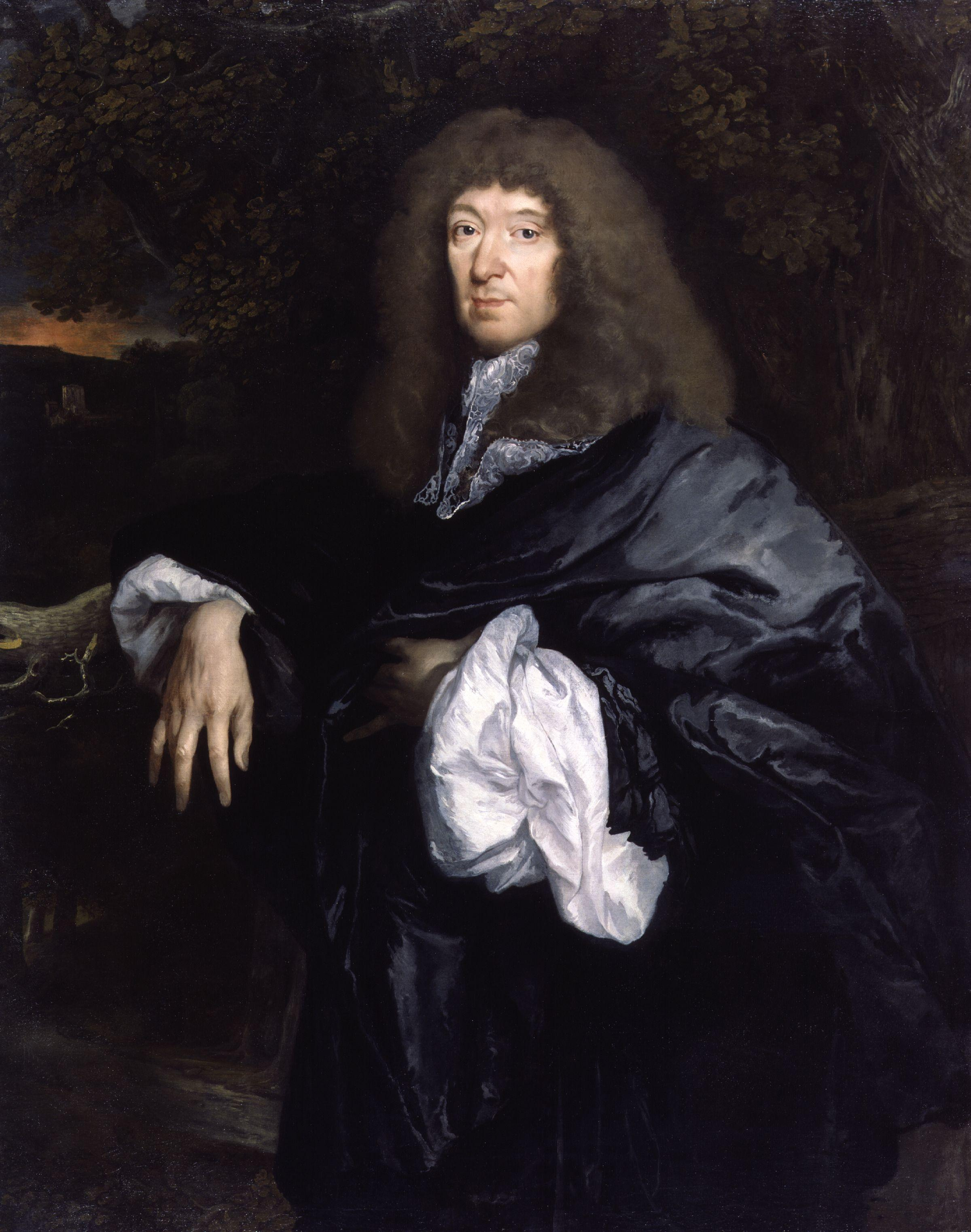
Сэмюэл Батлер цитаты

Сэмюэл Батлер — английский поэт-сатирик эпохи Реставрации, яркий представитель литературы классицизма. Wikipedia  

✵ 3. Февраль 1612 – 25. Сентябрь 1680
Сэмюэл Батлер фото
Сэмюэл Батлер: 81 цитата0 Нравится

Сэмюэл Батлер: Цитаты на английском языке

“Compound for sins they are inclin'd to,
By damning those they have no mind to”

Samuel Butler (poet) Hudibras

Canto I, line 189
Hudibras, Part I (1663–1664)
Контексте: For his Religion, it was fit
To match his learning and his wit;
'Twas Presbyterian true blue;
For he was of that stubborn crew
Of errant saints, whom all men grant
To be the true Church Militant;
Such as do build their faith upon
The holy text of pike and gun;
Decide all controversies by
Infallible artillery;
And prove their doctrine orthodox
By apostolic blows and knocks;
Call fire and sword and desolation,
A godly thorough reformation,
Which always must be carried on,
And still be doing, never done;
As if religion were intended
For nothing else but to be mended.
A sect, whose chief devotion lies
In odd perverse antipathies;
In falling out with that or this,
And finding somewhat still amiss;
More peevish, cross, and splenetick,
Than dog distract, or monkey sick.
That with more care keep holy-day
The wrong, than others the right way;
Compound for sins they are inclin'd to,
By damning those they have no mind to:
Still so perverse and opposite,
As if they worshipp'd God for spite.
The self-same thing they will abhor
One way, and long another for.
Free-will they one way disavow,
Another, nothing else allow:
All piety consists therein
In them, in other men all sin...

“Whatever sceptic could inquire for,
For ev'ry why he had a wherefore;”

Samuel Butler (poet) Hudibras

Canto I, line 131
Hudibras, Part I (1663–1664)
Контексте: Whatever sceptic could inquire for,
For ev'ry why he had a wherefore;
Knew more than forty of them do,
As far as words and terms cou'd go.
All which he understood by rote
And, as occasion serv'd, would quote;
No matter whether right or wrong,
They might be either said or sung.
His notions fitted things so well,
That which was which he could not tell;
But oftentimes mistook th' one
For th' other, as great clerks have done.

“He cou'd foretel whats'ever was
By consequence to come to pass;
As death of great men, alterations,
Diseases, battles, inundations.
All this, without th' eclipse o' th' sun,
Or dreadful comet, he hath done,
By inward light; away as good,
And easy to be understood;”

Samuel Butler (poet) Hudibras

Hudibras, Part I (1663–1664)
Контексте: He cou'd foretel whats'ever was
By consequence to come to pass;
As death of great men, alterations,
Diseases, battles, inundations.
All this, without th' eclipse o' th' sun,
Or dreadful comet, he hath done,
By inward light; away as good,
And easy to be understood;
But with more lucky hit than those
That use to make the stars depose,
Like Knights o' th' post, and falsely charge
Upon themselves what others forge:
As if they were consenting to
All mischiefs in the world men do:
Or, like the Devil, did tempt and sway 'em
To rogueries, and then betray 'em.

“When civil fury first grew high,
And men fell out, they knew not why;
When hard words, jealousies, and fears,
Set folks together by the ears,
And made them fight, like mad or drunk,
For Dame Religion, as for punk; Whose honesty they all durst swear for,
Though not a man of them knew wherefore:”

Samuel Butler (poet) Hudibras

Canto I, first lines
Hudibras, Part I (1663–1664)
Контексте: When civil fury first grew high,
And men fell out, they knew not why;
When hard words, jealousies, and fears,
Set folks together by the ears,
And made them fight, like mad or drunk,
For Dame Religion, as for punk; Whose honesty they all durst swear for,
Though not a man of them knew wherefore:
When Gospel-Trumpeter, surrounded
With long-ear'd rout, to battle sounded,
And pulpit, drum ecclesiastick,
Was beat with fist, instead of a stick;
Then did Sir Knight abandon dwelling,
And out he rode a colonelling.

“All piety consists therein
In them, in other men all sin…”

Samuel Butler (poet) Hudibras

Canto I, line 189
Hudibras, Part I (1663–1664)
Контексте: For his Religion, it was fit
To match his learning and his wit;
'Twas Presbyterian true blue;
For he was of that stubborn crew
Of errant saints, whom all men grant
To be the true Church Militant;
Such as do build their faith upon
The holy text of pike and gun;
Decide all controversies by
Infallible artillery;
And prove their doctrine orthodox
By apostolic blows and knocks;
Call fire and sword and desolation,
A godly thorough reformation,
Which always must be carried on,
And still be doing, never done;
As if religion were intended
For nothing else but to be mended.
A sect, whose chief devotion lies
In odd perverse antipathies;
In falling out with that or this,
And finding somewhat still amiss;
More peevish, cross, and splenetick,
Than dog distract, or monkey sick.
That with more care keep holy-day
The wrong, than others the right way;
Compound for sins they are inclin'd to,
By damning those they have no mind to:
Still so perverse and opposite,
As if they worshipp'd God for spite.
The self-same thing they will abhor
One way, and long another for.
Free-will they one way disavow,
Another, nothing else allow:
All piety consists therein
In them, in other men all sin...

“Like men condemn'd to thunder-bolts,
Who, ere the blow, become mere dolts;
Or fools besotted with their crimes,
That know not how to shift betimes,
And neither have the hearts to stay,
Nor wit enough to run away.”

Samuel Butler (poet) Hudibras

Hudibras, Part III (1678)
Контексте: We idly sit, like stupid blockheads,
Our hands committed to our pockets,
And nothing but our tongues at large,
To get the wretches a discharge:
Like men condemn'd to thunder-bolts,
Who, ere the blow, become mere dolts;
Or fools besotted with their crimes,
That know not how to shift betimes,
And neither have the hearts to stay,
Nor wit enough to run away.

“For rhetoric, he could not ope
His mouth, but out there flew a trope;
And when he happen'd to break off
I' th' middle of his speech, or cough,
H' had hard words,ready to show why,
And tell what rules he did it by;”

Samuel Butler (poet) Hudibras

Canto I, line 81
Hudibras, Part I (1663–1664)
Контексте: For rhetoric, he could not ope
His mouth, but out there flew a trope;
And when he happen'd to break off
I' th' middle of his speech, or cough,
H' had hard words, ready to show why,
And tell what rules he did it by;
Else, when with greatest art he spoke,
You'd think he talk'd like other folk,
For all a rhetorician's rules
Teach nothing but to name his tools.

“For he was of that stubborn crew
Of errant saints, whom all men grant
To be the true Church Militant;
Such as do build their faith upon
The holy text of pike and gun;
Decide all controversies by
Infallible artillery;
And prove their doctrine orthodox
By apostolic blows and knocks;
Call fire and sword and desolation,
A godly thorough reformation,
Which always must be carried on,
And still be doing, never done;
As if religion were intended
For nothing else but to be mended.”

Samuel Butler (poet) Hudibras

Canto I, line 189
Hudibras, Part I (1663–1664)
Контексте: For his Religion, it was fit
To match his learning and his wit;
'Twas Presbyterian true blue;
For he was of that stubborn crew
Of errant saints, whom all men grant
To be the true Church Militant;
Such as do build their faith upon
The holy text of pike and gun;
Decide all controversies by
Infallible artillery;
And prove their doctrine orthodox
By apostolic blows and knocks;
Call fire and sword and desolation,
A godly thorough reformation,
Which always must be carried on,
And still be doing, never done;
As if religion were intended
For nothing else but to be mended.
A sect, whose chief devotion lies
In odd perverse antipathies;
In falling out with that or this,
And finding somewhat still amiss;
More peevish, cross, and splenetick,
Than dog distract, or monkey sick.
That with more care keep holy-day
The wrong, than others the right way;
Compound for sins they are inclin'd to,
By damning those they have no mind to:
Still so perverse and opposite,
As if they worshipp'd God for spite.
The self-same thing they will abhor
One way, and long another for.
Free-will they one way disavow,
Another, nothing else allow:
All piety consists therein
In them, in other men all sin...

“For all a rhetorician's rules
Teach nothing but to name his tools.”

Samuel Butler (poet) Hudibras

Canto I, line 81
Hudibras, Part I (1663–1664)
Контексте: For rhetoric, he could not ope
His mouth, but out there flew a trope;
And when he happen'd to break off
I' th' middle of his speech, or cough,
H' had hard words, ready to show why,
And tell what rules he did it by;
Else, when with greatest art he spoke,
You'd think he talk'd like other folk,
For all a rhetorician's rules
Teach nothing but to name his tools.

“What did we else, but make a vow
To do we know not what, nor how?”

Samuel Butler (poet) Hudibras

Hudibras, Part I (1663–1664)
Контексте: They'll say our bus'ness, to reform
The Church and State, is but a worm;
For to subscribe, unsight, unseen,
To an unknown Church-discipline,
What is it else, but before-hand
T'engage, and after understand?
For when we swore to carry on
The present Reformation,
According to the purest mode
Of Churches best reformed abroad,
What did we else, but make a vow
To do we know not what, nor how?

“His notions fitted things so well,
That which was which he could not tell;
But oftentimes mistook th' one
For th' other, as great clerks have done.”

Samuel Butler (poet) Hudibras

Canto I, line 131
Hudibras, Part I (1663–1664)
Контексте: Whatever sceptic could inquire for,
For ev'ry why he had a wherefore;
Knew more than forty of them do,
As far as words and terms cou'd go.
All which he understood by rote
And, as occasion serv'd, would quote;
No matter whether right or wrong,
They might be either said or sung.
His notions fitted things so well,
That which was which he could not tell;
But oftentimes mistook th' one
For th' other, as great clerks have done.

“They'll say our bus'ness, to reform
The Church and State, is but a worm;
For to subscribe, unsight, unseen,
To an unknown Church-discipline,
What is it else, but before-hand
T'engage, and after understand?”

Samuel Butler (poet) Hudibras

Hudibras, Part I (1663–1664)
Контексте: They'll say our bus'ness, to reform
The Church and State, is but a worm;
For to subscribe, unsight, unseen,
To an unknown Church-discipline,
What is it else, but before-hand
T'engage, and after understand?
For when we swore to carry on
The present Reformation,
According to the purest mode
Of Churches best reformed abroad,
What did we else, but make a vow
To do we know not what, nor how?

“Each window like a pill'ry appears,
With heads thrust thro' nail'd by the ears.”

Samuel Butler (poet)

Canto III, line 391
Источник: Hudibras, Part II (1664)

“Friend Ralph, thou hast
Outrun the constable at last.”

Samuel Butler (poet)

Canto III, line 1367
Источник: Hudibras, Part I (1663–1664)

“Nor do I know what is become
Of him, more than the Pope of Rome.”

Samuel Butler (poet)

Canto III, line 263
Источник: Hudibras, Part I (1663–1664)

“And force them, though it was in spite
Of Nature and their stars, to write.”

Samuel Butler (poet)

Canto I, line 647
Источник: Hudibras, Part I (1663–1664)

“Ay me! what perils do environ
The man that meddles with cold iron!”

Samuel Butler (poet)

Canto III, line 1
Источник: Hudibras, Part I (1663–1664)

“He ne'er consider'd it, as loth
To look a gift-horse in the mouth.”

Samuel Butler (poet)

Canto I, line 490
Источник: Hudibras, Part I (1663–1664)

“A Babylonish dialect
Which learned pedants much affect.”

Samuel Butler (poet)

Canto I, line 93
Источник: Hudibras, Part I (1663–1664)

“Nick Machiavel had ne'er a trick,
Though he gave his name to our Old Nick.”

Samuel Butler (poet)

Canto I, line 1313
Источник: Hudibras, Part III (1678)

“Love in your hearts as idly burns
As fire in antique Roman urns.”

Samuel Butler (poet)

Canto I, line 309
Источник: Hudibras, Part II (1664)

“Cheer'd up himself with ends of verse
And sayings of philosophers.”

Samuel Butler (poet)

Canto III, line 1011
Источник: Hudibras, Part I (1663–1664)

“When pious frauds and holy shifts
Are dispensations and gifts.”

Samuel Butler (poet)

Canto III, line 1145
Источник: Hudibras, Part I (1663–1664)

“With mortal crisis doth portend
My days to appropinque an end.”

Samuel Butler (poet)

Canto III, line 589
Источник: Hudibras, Part I (1663–1664)

“We grant, although he had much wit,
He was very shy of using it.”

Samuel Butler (poet)

Canto I, line 45
Источник: Hudibras, Part I (1663–1664)

“He made an instrument to know
If the moon shine at full or no.”

Samuel Butler (poet)

Canto III, line 261
Источник: Hudibras, Part II (1664)

Подобные авторы

Александр Поуп фото
Александр Поуп35
английский поэт None
Сэмюэл Джонсон фото
Сэмюэл Джонсон92
английский критик, лексикограф, поэт None
Вольтер фото
Вольтер192
французский философ-просветитель XVIII века, поэт, прозаик,… None
Оливер Голдсмит фото
Оливер Голдсмит19
английский прозаик, поэт и драматург None
Мольер фото
Мольер27
французский драматург, комедиограф и актёр None
Джон Мильтон фото
Джон Мильтон24
английский поэт, политический деятель, мыслитель None
Джозеф Аддисон фото
Джозеф Аддисон48
публицист, драматург, эстетик, политик и поэт None
Уильям Шекспир фото
Уильям Шекспир209
английский драматург и поэт None
Джордж Герберт фото
Джордж Герберт9
английский поэт-метафизик, автор духовной лирики, англиканс… None
Лоренс Стерн фото
Лоренс Стерн16
английский писатель и священник None