Ясунари Кавабата цитаты
страница 2

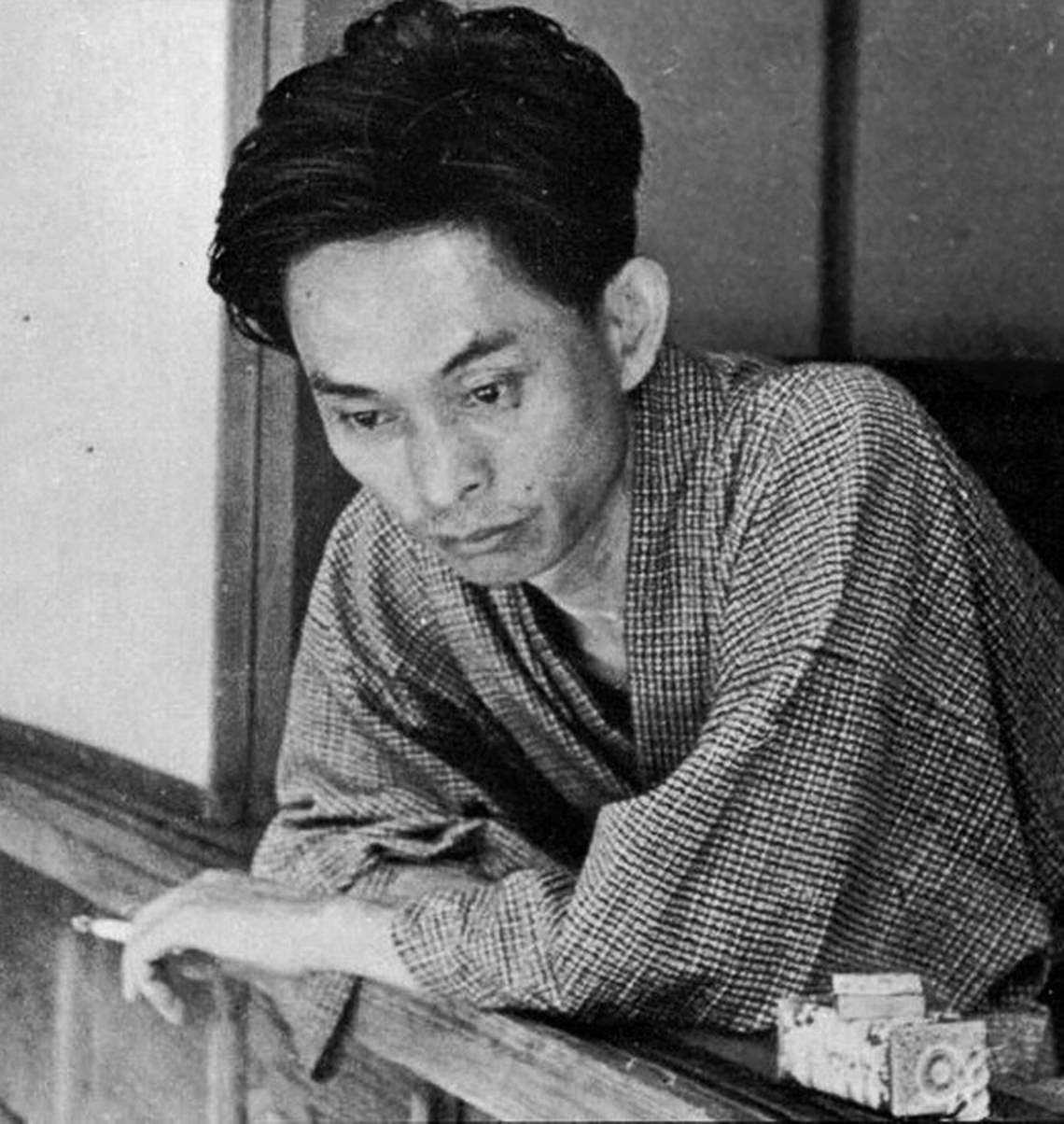
Ясунари Кавабата — японский писатель, офицер французского ордена искусств и литературы , лауреат Нобелевской премии по литературе .

В работах Кавабаты, глубоко укоренённых в национальной художественной традиции Японии, но в то же время свободно использующих приёмы современной литературы, большое значение придаётся подтексту, недосказанности и суггестивности. К основным сочинениям относятся романы «Тысячекрылый журавль», «Снежная страна», «Старая столица», «Стон горы» и др. Своей ключевой работой сам Кавабата считал роман «Мэйдзин». Произведения писателя переведены на многие языки мира.

Скончался у себя дома в Дзуси в 1972 году из-за отравления угарным газом. В качестве одной из версий называют самоубийство, в качестве другой — несчастный случай в результате алкогольного опьянения, однако фактические причины смерти до сих пор остаются невыясненными. В 1974 году издательством «Синтёся» учреждена литературная премия имени Ясунари Кавабаты. Wikipedia  

✵ 11. Июнь 1899 – 16. Апрель 1972
Ясунари Кавабата фото
Ясунари Кавабата: 47 цитат10 Нравится

Ясунари Кавабата знаменитые цитаты

Эта цитата ждет обзора.

Ясунари Кавабата: Цитаты на английском языке

“The train came out of the long border tunnel — and there was the snow country. The night had turned white.”

Yasunari Kawabata книга Snow Country

First lines (as translated by Edward Seidensticker).
Snow Country (1948)

“"Among those who give thoughts to things, is there one who does not think of suicide?" With me was the knowledge that that fellow Ikkyu twice contemplated suicide. I have "that fellow", because the priest Ikkyu is known even to children as a most amusing person, and because anecdotes about his limitlessly eccentric behavior have come down to us in ample numbers. It is said of him that children climbed his knee to stroke his beard, that wild birds took feed from his hand. It would seem from all this that he was the ultimate in mindlessness, that he was an approachable and gentle sort of priest. As a matter of fact he was the most severe and profound of Zen priests. Said to have been the son of an emperor, he entered a temple at the age of six, and early showed his genius as a poetic prodigy. At the same time he was troubled with the deepest of doubts about religion and life. "If there is a god, let him help me. If there is none, let me throw myself to the bottom of the lake and become food for fishes." Leaving behind these words he sought to throw himself into a lake, but was held back. … He gave his collected poetry the title "Collection of the Roiling Clouds", and himself used the expression "Roiling Clouds" as a pen name. In his collection and its successor are poems quite without parallel in the Chinese and especially the Zen poetry of the Japanese middle ages, erotic poems and poems about the secrets of the bedchamber that leave one in utter astonishment. He sought, by eating fish and drinking spirits and having commerce with women, to go beyond the rules and proscriptions of the Zen of his day, and to seek liberation from them, and thus, turning against established religious forms, he sought in the pursuit of Zen the revival and affirmation of the essence of life, of human existence, in a day civil war and moral collapse.”

Yasunari Kawabata

Japan, the Beautiful and Myself (1969)

Подобные авторы

Юкио Мисима фото
Юкио Мисима12
японский писатель и драматург None
Харуки Мураками фото
Харуки Мураками10
японский писатель и переводчик None
Кадзуо Исигуро фото
Кадзуо Исигуро3
британский писатель японского происхождения None
Кэндзабуро Оэ фото
Кэндзабуро Оэ14
японский писатель None
Хаяо Миядзаки фото
Хаяо Миядзаки40
японский режиссёр-аниматор None
 Этьен Рей фото
Этьен Рей22
французский писатель None
Анри де Монтерлан фото
Анри де Монтерлан39
французский писатель None
Франсуа Мориак фото
Франсуа Мориак25
французский писатель None
Роберт Хайнлайн фото
Роберт Хайнлайн26
американский писатель-фантаст None
Уильям Фолкнер фото
Уильям Фолкнер41
американский писатель None