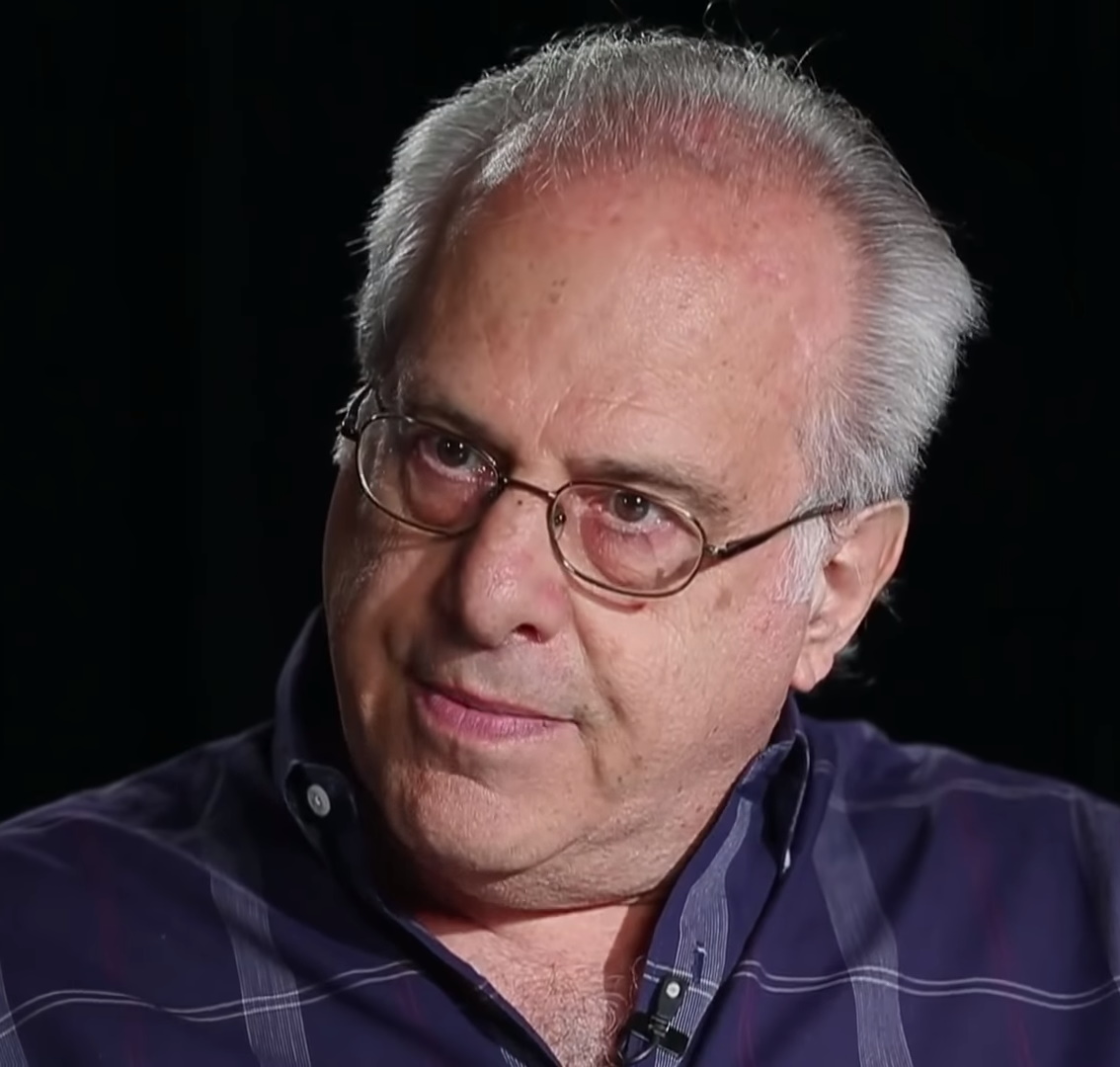
Вольф, Ричард цитаты

Ричард Вольф — американский экономист, приверженец марксистской политэкономии, эмерит-профессор экономики Массачусетского университета в Амхерсте, приглашённый профессор образовательной программы международных отношений в нью-йоркском университете Новая школа. «The New York Times Magazine» указывал его «наиболее видным американским марксистским экономистом» .

Окончил Гарвард .

Затем в 1964 году учился в Стэнфорде на магистра экономики у Пола Барана, который скончался от сердечного приступа в том же 1964 году, после чего Вольф перешёл в Йельский университет, где получил степени магистра экономики и магистра истории , а также доктора философии по экономике . Диссертация «Экономика колониализма: Британия и Кения» была издана книгой в 1974 году.

В 1969—1973 годах преподавал в Городском колледже Нью-Йорка.

В 1985 году был кандидатом в мэры Нью-Хейвена от местной Партии зелёных. Призывает к созданию массовой левой партии в США.

В 1989 году с группой своих учеников запустил журнал «Rethinking Marxism»

Живёт в Манхеттене . Его супруга — практикующий психотерапевт. Они имеют двоих взрослых детей. Wikipedia  

✵ 1. Апрель 1942
Вольф, Ричард фото
Вольф, Ричард: 18 цитат0 Нравится

Вольф, Ричард: Цитаты на английском языке

“A worker-coop based economy—where workers democratically run enterprises, deciding what, how and where to produce, and what to do with any profits—could, and likely would, put social needs and goals (like proper preparation for pandemics) ahead of profits. Workers are the majority in all capitalist societies; their interests are those of the majority. Employers are always a small minority; theirs are the "special interests" of that minority. Capitalism gives that minority the position, profits and power to determine how the society as a whole lives or dies. That's why all employees now wonder and worry about how long our jobs, incomes, homes and bank accounts will last—if we still have them. A minority (employers) decides all those questions and excludes the majority (employees) from making those decisions, even though that majority must live with their results. Of course, the top priority now is to put public health and safety first. To that end, employees across the country are now thinking about refusing to obey orders to work in unsafe job conditions. U.S. capitalism has thus placed a general strike on today's social agenda. A close second priority is to learn from capitalism's failure in the face of the pandemic. We must not suffer such a dangerous and unnecessary social breakdown again. Thus system change is now also moving onto today's social agenda.”

Richard D. Wolff

COVID-19 and the Failures of Capitalism (2020)

“We have a lot of employment, but the quality of the jobs has collapsed over the last 10 years. The people who work now used to be people who had a job with good income, good benefits and good security. The jobs, overwhelmingly, created have none of those things: low wages—that’s why our wages have gone nowhere; bad benefits—those are shrinking, pensions and so on; and the security is virtually gone. One of our biggest problems in America is people don’t know one week to the next what hours they’re working, what income they’ll get. You can’t have a life like this. So, what we’ve done is we’ve ratcheted down the quality of jobs. We’ve made people use up their savings since the great crash of 2008, so they’re in a bind. They have really no choice but to offer themselves at lower wages or at less benefit or at less security than before, which is why there’s the anger, which is why there was the vote for Mr. Trump in the first place, because this talk of recovery really is about that stock market with the funny money that the Fed Reserve pumped in, but is not about the real lives of people, which are in serious trouble, hence the numbers, like a average American family can’t get a $400 emergency cost because it doesn’t have that kind of money in the background. So, you’ve undone the underlying economy, you have this frothy stock market for the 1 percent, and this is an impossible tension tearing the country apart.”

Richard D. Wolff

We Need a More Humane Economic System—Not One That Only Benefits the Rich (December 26, 2018)

Подобные авторы

Питер Друкер фото
Питер Друкер25
американский экономист австрийского происхождения None
Милтон Фридман фото
Милтон Фридман7
американский экономист None
Василий Васильевич Леонтьев фото
Василий Васильевич Леонтьев12
американский экономист российского происхождения, создатель… None
Людвиг фон Мизес фото
Людвиг фон Мизес38
австрийский и американский экономист, историк, философ None
Фридрих фон Хайек фото
Фридрих фон Хайек21
австрийский экономист и философ None
Роза Люксембург фото
Роза Люксембург5
теоретик марксизма, философ, экономист и публицист None
Джон Мейнард Кейнс фото
Джон Мейнард Кейнс46
английский экономист, основатель кейнсианского направления … None
Макс Вебер фото
Макс Вебер29
немецкий социолог, философ, историк, политический экономист None